A finales de 2025, se publicó un artículo de la plataforma de preimpresión arXiv que atrajo mucha atención en el campo de la comunidad de intervención cardiovascular.
El artículo informó que un sistema de IA médica de dominio específico llamado CA-GPT, diseñado para facilitar la toma de decisiones durante la intervención coronaria percutánea (ICP), superó a un modelo de lenguaje extenso de propósito general (ChatGPT-5 de OpenAI) en diez indicadores clínicos clave. En algunos casos, su rendimiento incluso superó al de médicos jóvenes con entre uno y cinco años de experiencia.
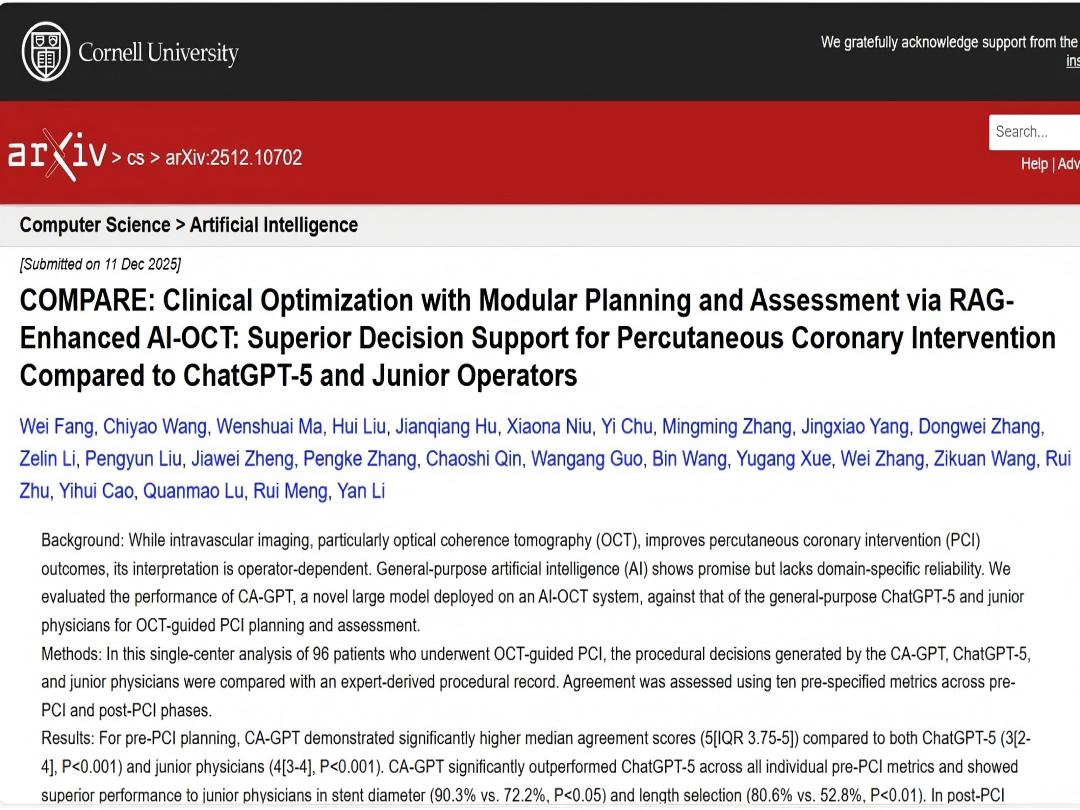
Sin embargo, para el equipo de I+D que está detrás del sistema, el papel no era el destino.
Lo que realmente importaba era el largo, incierto y a veces incómodo camino que conducía hasta allí.
Esta es la historia de cómo un pequeño equipo de IA médica pasó 11 meses superando la brecha más difícil de la IA clínica: la distancia entre ver información y tomar decisiones.
De los datos de OCT a las decisiones clínicas
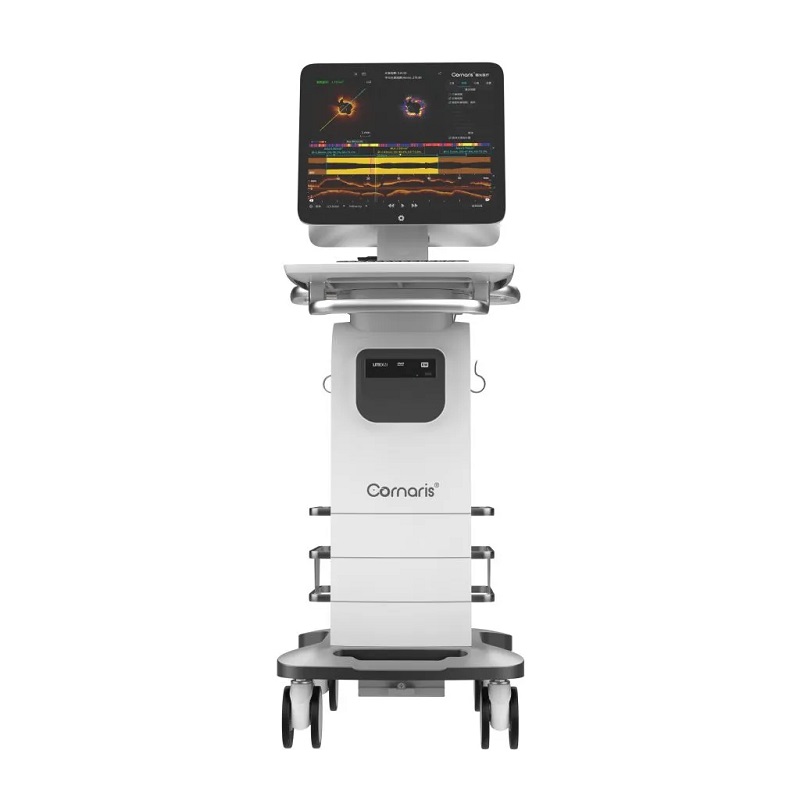
La Tomografía de Coherencia Óptica (OCT) se conoce a menudo como "el tercer ojo" de los cardiólogos intervencionistas. Una fina fibra óptica penetra en la arteria coronaria y produce imágenes de alta resolución que revelan la morfología de la placa y la estructura vascular con un detalle extraordinario.
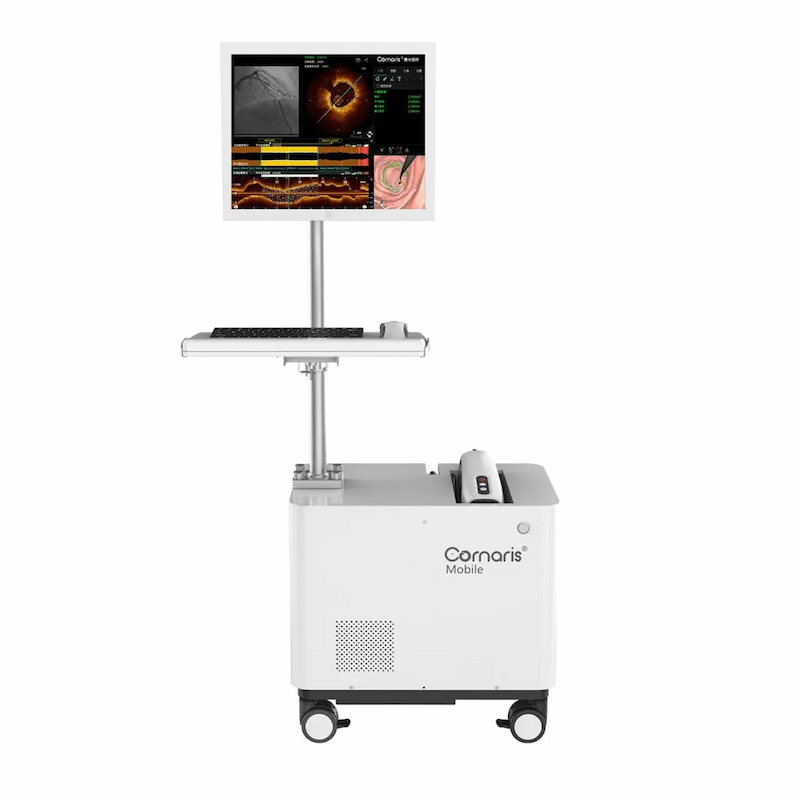
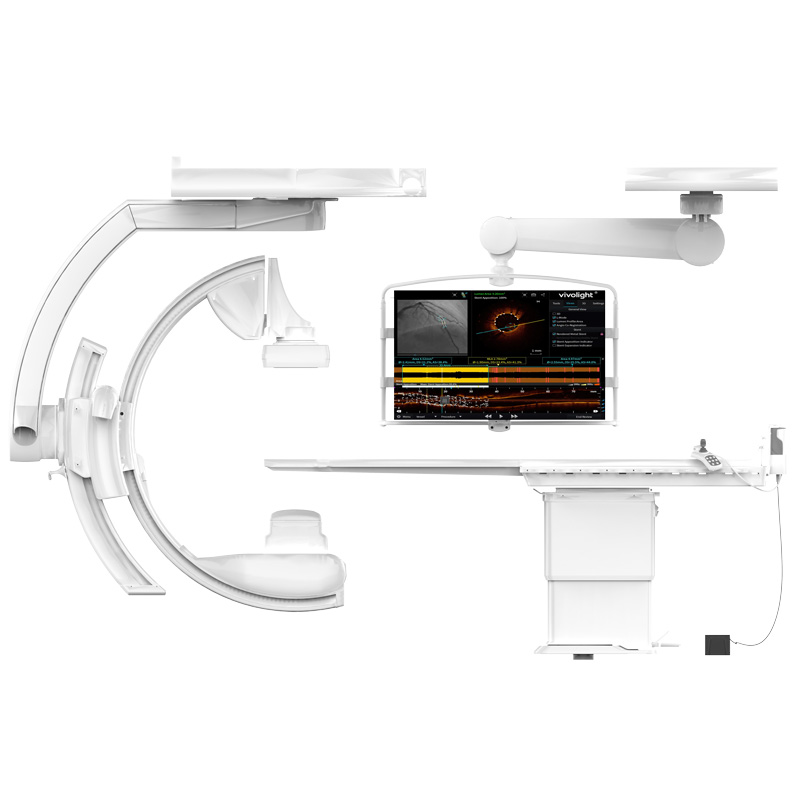
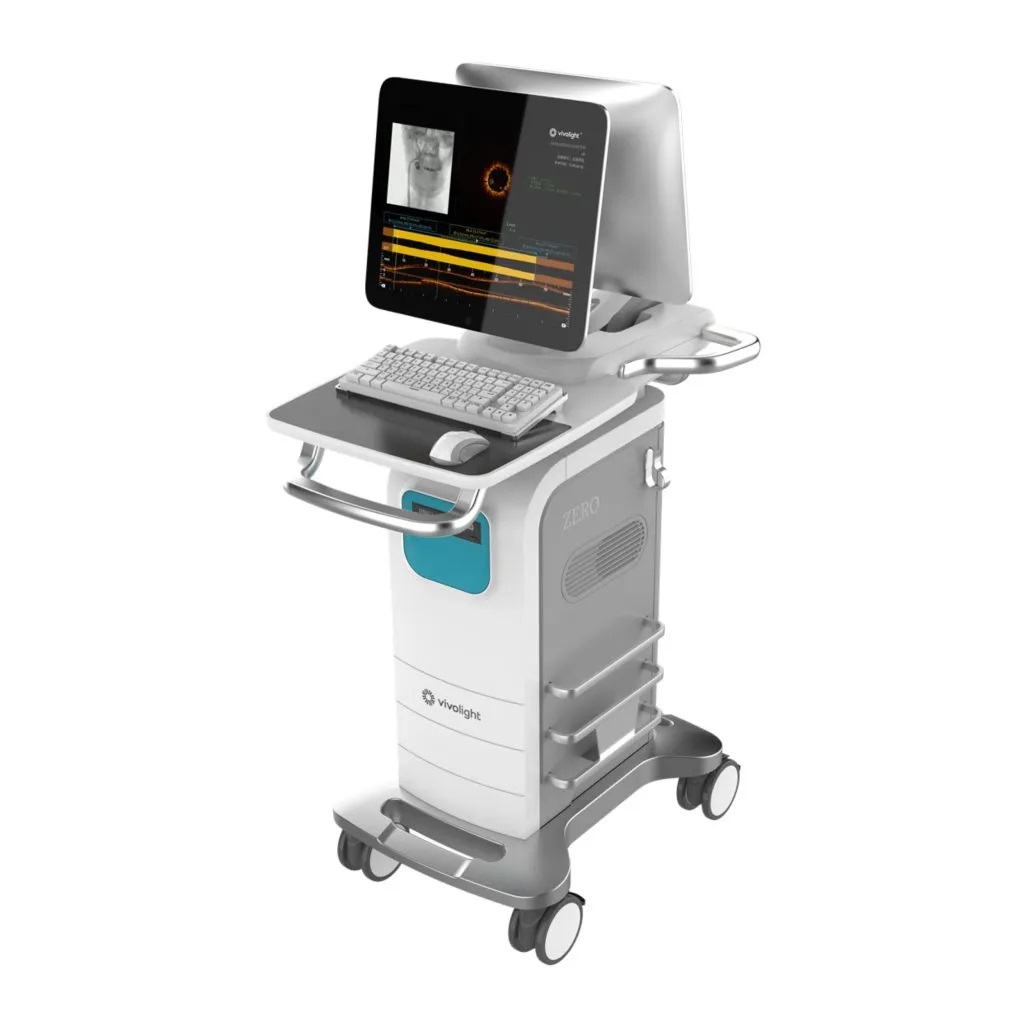
Durante más de una década, la IA se ha utilizado para analizar imágenes de OCT en el sistema Vivolight OCT, como la detección de placa inestable, la evaluación de lesiones calcificadas y la evaluación funcional. Muchas de estas técnicas ya se utilizan en procesos clínicos.
Pero faltaba algo fundamental. Los médicos no solo necesitan más mediciones. Necesitan decisiones claras.
¿Debería implantarse un stent? ¿Qué diámetro? ¿Qué longitud? ¿Es seguro tratar esta lesión o deberíamos dar un paso atrás?
Entre datos de imágenes sin procesar y datos reales del médicoLa decisión presenta una brecha crítica. Por muy preciso que sea un algoritmo, si no puede superar esa brecha, sigue siendo una herramienta, no un aliado clínico.
Esa brecha se convirtió en la misión.
“La última milla” siempre es la más difícil
A principios de 2024, el equipo del algoritmo Vivolight tenía una visión clara: convertir años de conocimiento experto en un sistema que pudiera razonar como un médico experimentado: de manera constante, transparente y bajo presión.
Probaron múltiples enfoques: modelos grandes de propósito general, integraciones de API y pipelines híbridos. El progreso fue lento. Cada intento parecía cercano, pero nunca suficiente.
Como lo expresó un miembro del equipo:
——“Sentías que te acercabas a la respuesta. Pero cada vez, aún estabas a un paso de distancia.”
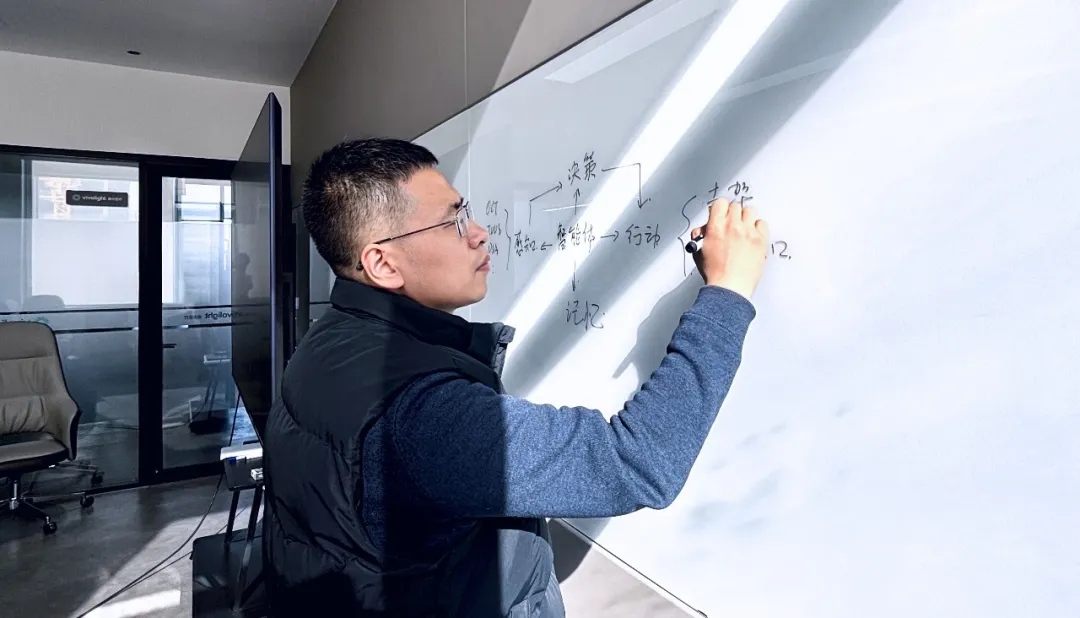
Un punto de inflexión: dejar de entrenar modelos más grandes
El gran avance se produjo a principios de 2025 con la apertura del código fuente de DeepSeek, no mediante el entrenamiento de un modelo más grande, sino mediante la formulación de una pregunta diferente.
En lugar de construir otra IA general, el equipo decidió anclar su sistema en lo que los médicos ya confían: pautas de expertos, consenso de la industria, razonamiento estructurado y lógica de decisión explícita.
La idea era sencilla, pero radical en la práctica:
●Deje que los modelos de visión especializados actúen como los “ojos”
●Dejemos que las guías clínicas y el consenso de expertos formen el “fondo de conocimientos”
●Deje que un motor de razonamiento los conecte en una ruta de decisión transparente
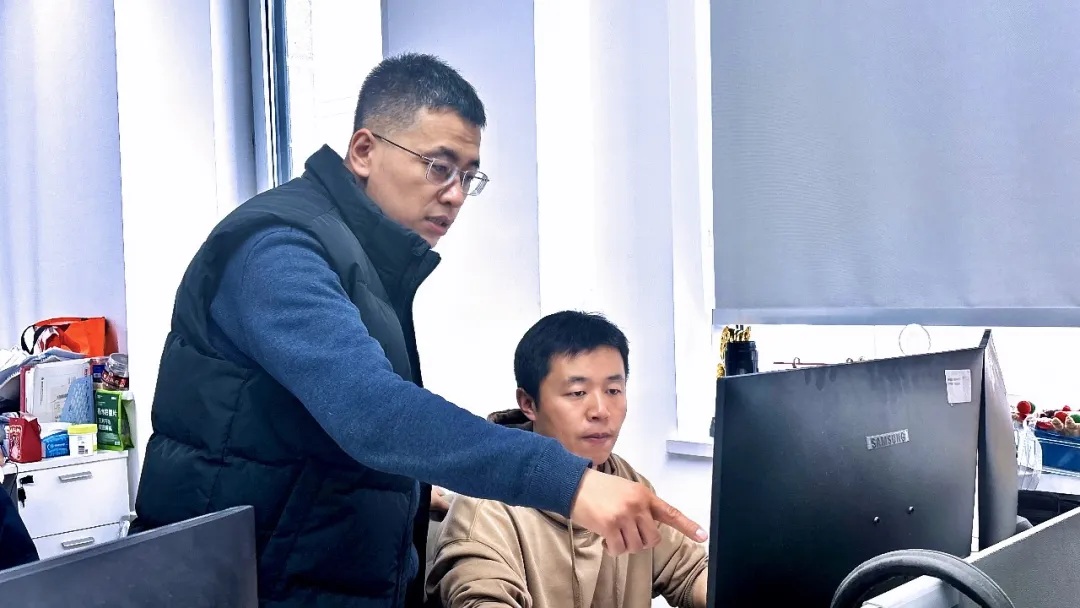
Aprendiendo de la manera difícil: de los médicos
Las primeras demostraciones fueron humillantes. Los médicos no preguntaban cómo funcionaba la IA. No les importaban las indicaciones ni las arquitecturas.
Hicieron preguntas como:
●¿Qué stent elegirías?
●“¿Esta lesión es adecuada para una intervención?”
●“¿Por qué este diámetro y no aquel?”
Cuando el sistema respondía con explicaciones vagas o un lenguaje genérico, la respuesta era contundente. «Esto no es IA. Es ruido». Ese comentario del Dr. Zhu (director ejecutivo de Vivolight) dolió, pero lo aclaró todo. La verdadera inteligencia clínica no consiste en parecer inteligente. Se trata de ser preciso, decisivo y responsable.
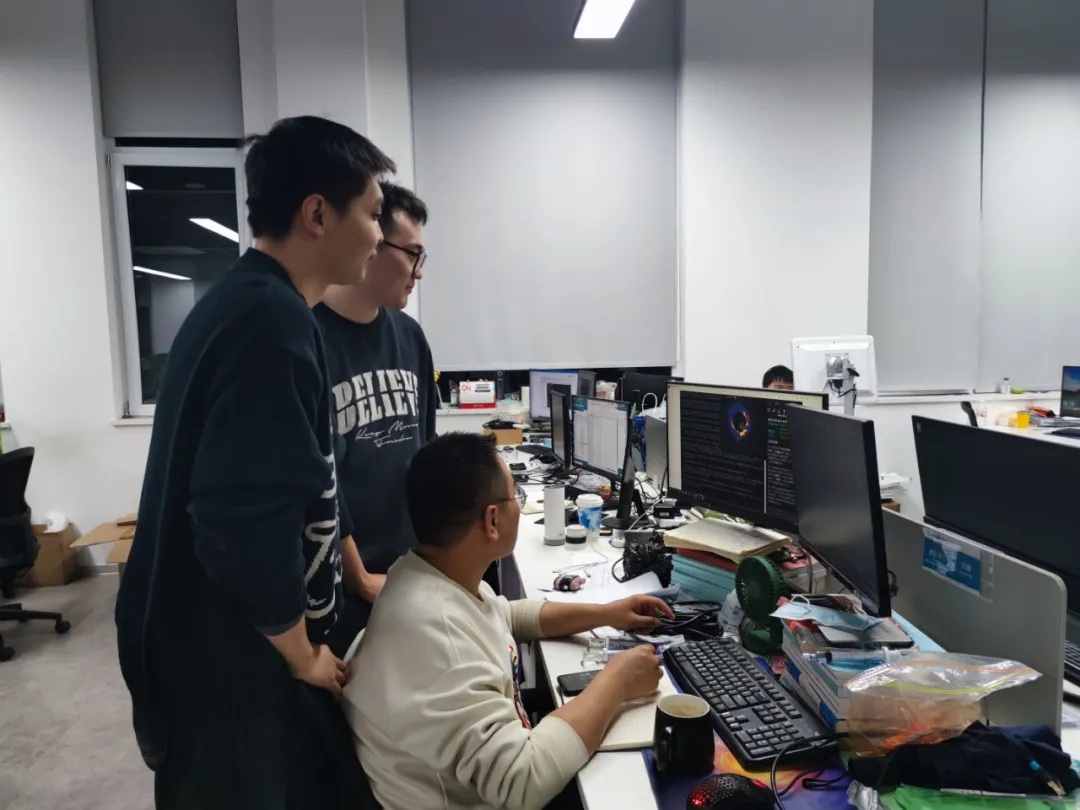
El equipo volvió a reconstruir, esta vez de forma modular. La lógica de decisión, los pasos de razonamiento y los resultados se simplificaron, probaron y reconstruyeron rápidamente. Los días se convirtieron en noches. Una iteración tras otra.
Al final, algo cambió.
El Dr. Zhu observó el sistema y dijo:
——“Vale. Esto sí que parece IA..”
La realidad clínica es el único parámetro real
Para mayo de 2025, se entregó la primera versión del sistema AI-OCT, menos de tres meses después del inicio del proyecto. Ese mismo mes, la innovación se presentó en el OCC 2025. Para deleite general, destacó entre 48 proyectos participantes y fue seleccionado como uno de los cinco proyectos distinguidos. Pero el reconocimiento no era el objetivo, sino la validación.
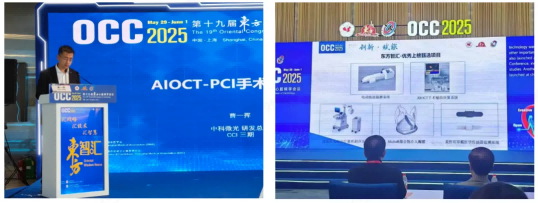
La verdadera prueba se realizó en ensayos clínicos. El sistema entró en fase piloto en varios hospitales, como el Segundo Hospital Afiliado a la Universidad Médica de la Fuerza Aérea (Hospital Tangdu)., El Hospital Anzhen de Pekín, la Universidad Médica Capital, el Hospital Fuwai de la Academia China de Ciencias Médicas, el Hospital Zhongshan afiliado a la Universidad de Fudan y el Primer Hospital Afiliado a la Universidad Jiaotong de Xi'an, respaldaron procedimientos de ICP en situaciones reales. La retroalimentación fue directa, detallada y, a menudo, implacable.
Sin embargo, esa retroalimentación se convirtió en el activo más valioso del sistema. Los médicos cuestionaron las suposiciones, corrigieron la lógica y presionaron a la IA para que fuera más clara, estricta y consistente. Paso a paso, el sistema maduró, no de forma aislada, sino en diálogo con la realidad clínica.
La confianza se gana, no se reclama
En agosto de 2025, dirigido por el equipo clínico del Hospital Zhongshan afiliado a la Universidad de Fudan, el Segundo Hospital Popular de la Prefectura de Kashgar completó con éxito los ensayos clínicos piloto como sitio de prueba designado para AI-OCT.
Un detalle fue de suma importancia para el equipo. En un procedimiento real, la IA recomendó un stent con un diámetro de 3,0 a 3,25 mm y una longitud de 19 mm. El médico finalmente seleccionó un stent de 3,0 × 20 mm, dentro de los límites recomendados por la IA.
Esa alineación no fue casualidad. Demostró algo más importante que el acuerdo: un razonamiento compartido. Expertos clínicos lo resumieron posteriormente de forma sencilla: la medicina depende de la coherencia.
La lógica de decisiones estandarizada y basada en pautas no es una limitación: es la base de una atención segura y escalable.
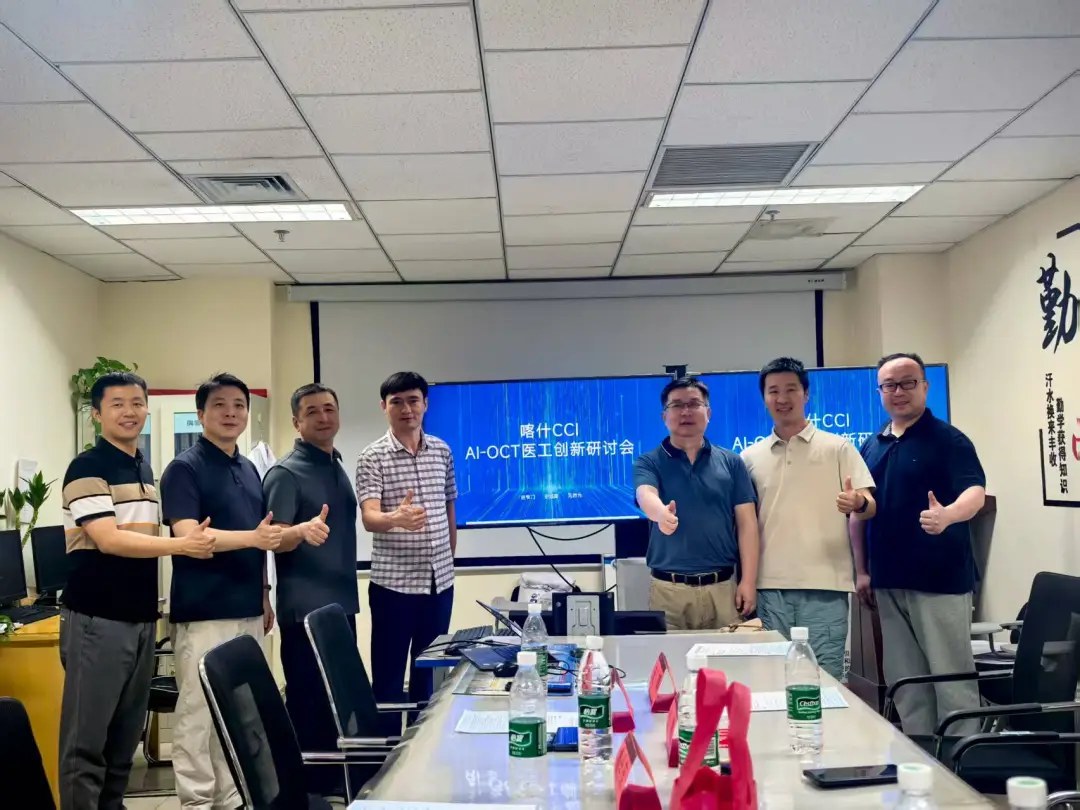
Pruebas sobre afirmaciones
Bajo la lupa de la conferencia anual de la Sociedad China de Cardiología (SCC), se presentó oficialmente la CA-GPT. Simultáneamente, comenzaron a llegar datos clínicos comparativos preliminares de varios centros de ensayo, y los resultados fueron realmente prometedores.
Pero la retroalimentación más significativa no provino de las métricas.
Vino de los médicos que decían:
—“Este sistema me ayuda a pensar.”
—“Me da confianza en mis decisiones.”

Lo que realmente significó este viaje
En diciembre de 2025, la investigación del equipo se publicó en arXiv. Para ellos, no era solo un artículo. Era la prueba de que la IA clínica no necesita ser más ruidosa, más grande ni más llamativa. Necesita ser sólida, disciplinada y responsable.
La verdadera inteligencia médica no consiste en reemplazar a los médicos. Se trata de ayudarlos a tomar mejores decisiones, especialmente cuando más importa. Y ese camino, de las imágenes a las decisiones, apenas comienza.
 English
 Français
 Español
 Deutsch
 Italiano
 العربية





 IPv6 RED SOPORTADA