 English
 Français
 Español
 Deutsch
 Italiano
 العربية



Teléfono
:+86-755-86961139
Correo electrónico
:sales@vivo-light.com
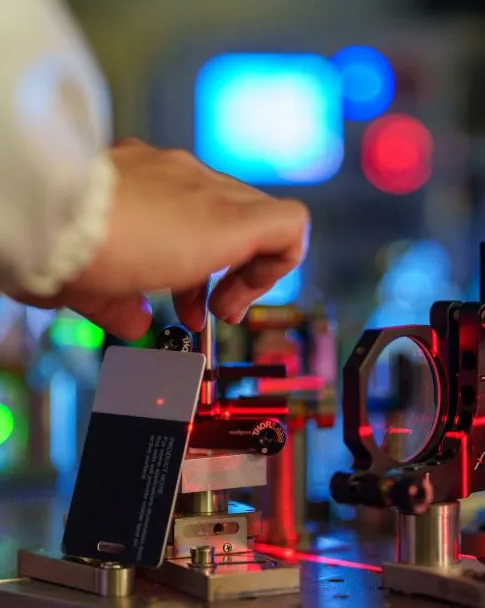

Al seleccionar un buscador de venas por proyecciónSu prioridad siempre deben ser las características que impulsan directamente el éxito clínico. Los estudios clínicos demuestran de forma consistente que los dispositivos equipados con alta claridad de imagen y visualización de profundidad avanzada mejoran significativamente las tasas de venopunción en el primer intento.
Los métodos tradicionales de punción "a ciegas" suelen resultar insuficientes en entornos clínicos complejos, mientras que la tecnología moderna de imágenes vasculares ofrece un salto drástico en el rendimiento:
Método | Tasa de éxito en el primer intento | Tiempo medio por vía intravenosa (min) | Satisfacción del paciente |
Localizador de venas asistido | 83% - 88% | 4,75 - 6,6 minutos | Alto (4,07-4,19) |
Métodos tradicionales | 28% - 31% | 15.09 - 17.06 minutos | Inferior (1,85-1,89) |
Fuente de datos: Revista de Enfermería Clínica / Foros Médicos, Cohortes de Control Clínico Estándar
Para mejorar tanto la atención al paciente como la eficiencia del flujo de trabajo, los profesionales médicos deben priorizar una evaluación equilibrada de las necesidades clínicas, las especificaciones técnicas y las normas de cumplimiento.
Un localizador de venas fiable debe adaptarse perfectamente a sus principales grupos de pacientes:
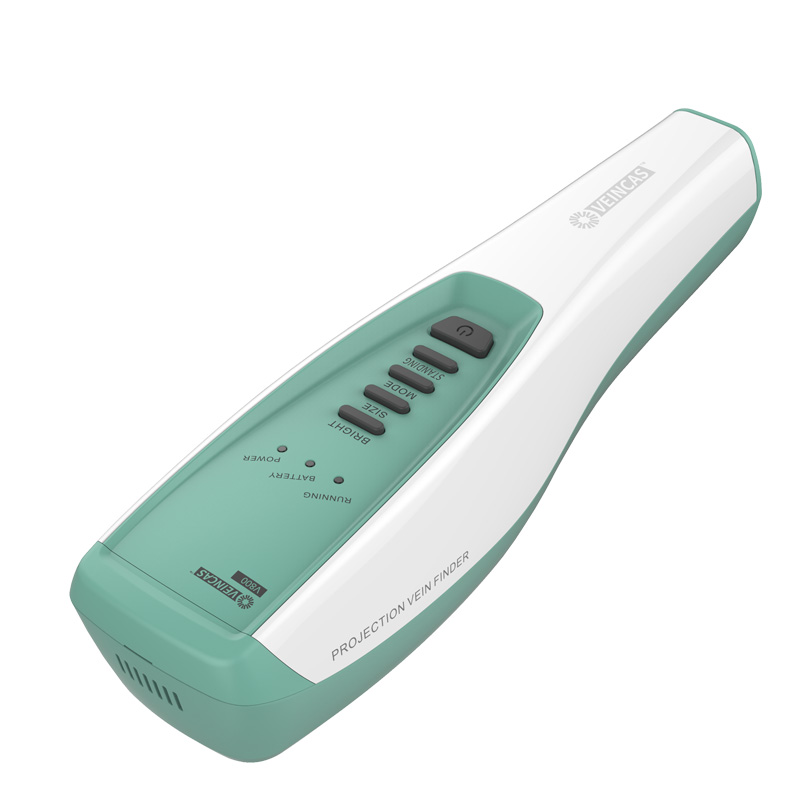
En entornos de ritmo acelerado como las salas de urgencias o las unidades de cuidados intensivos, las soluciones portátiles e inmediatas son vitales. Sin embargo, los profesionales sanitarios suelen enfrentarse a interrupciones operativas, como el ruido visual provocado por la luz ambiental o la interferencia del vello corporal en pacientes varones.
Para solucionar este problema, proveedores de hardware médico avanzado como Vivolight integran filtros digitales especializados en sus sistemas. Estos modos eliminan algorítmicamente los artefactos causados por el cabello y optimizan el mapeo de la superficie, minimizando así los intentos fallidos de punción en entornos difíciles.
El valor fundamental de la tecnología de localización de venas reside enteramente en la precisión de su proyección y su capacidad de respuesta en tiempo real.
[Penetración de luz infrarroja] ➔ [Absorción de hemoglobina] ➔ [Mapeo digital en tiempo real]
Los dispositivos de gama alta cuentan con una resolución de proyección de 1280 × 720 HD, lo que garantiza que la superficie cutánea reconstruida mantenga un margen de error inferior a 0,25 mm. Esta precisión absoluta permite a los médicos distinguir con seguridad las venas viables del tejido circundante.
[Fuente: Revista Internacional de Robótica Médica y Cirugía Asistida por Computadora]
Los entornos clínicos modernos se basan en distintas tecnologías de imagen según la profundidad de la vasculatura objetivo:
[Fuente: Guías clínicas de la Asociación para el Acceso Vascular (AVA), Revista de Enfermería Clínica, Estudio de cohorte multiétnico, Guías de la Sociedad Europea de Anestesiología (ESA)]
El personal médico se desplaza habitualmente entre las habitaciones de los pacientes, las consultas externas y las zonas de atención al paciente. Por lo tanto, el peso del dispositivo y la compatibilidad de su montaje influyen directamente en la fatiga física diaria.
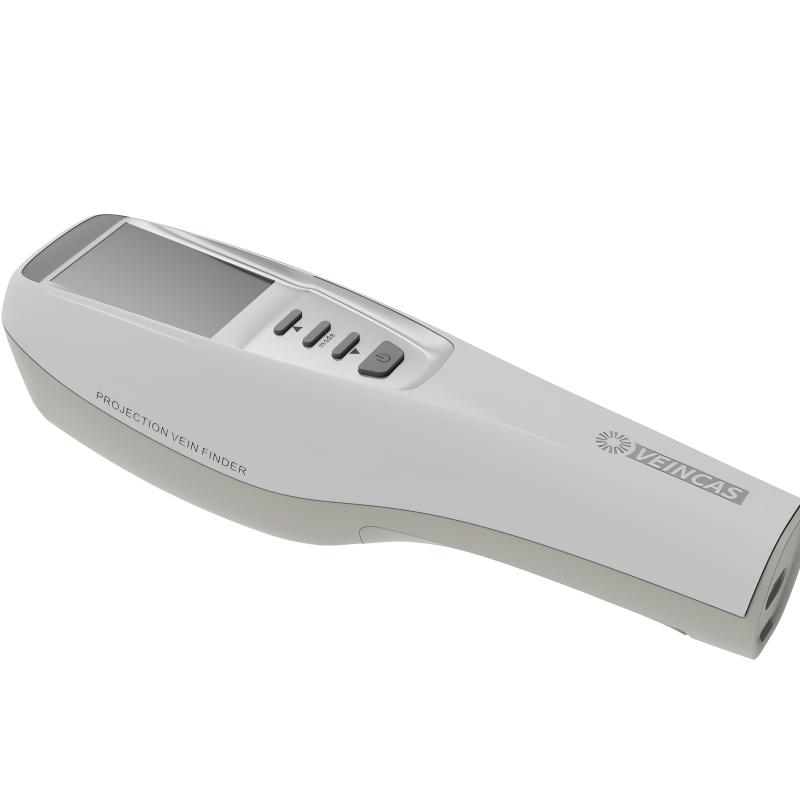
Para eliminar el riesgo de contaminación cruzada entre pacientes, deben aplicarse protocolos de higiene estrictos:
[Fuente: Directrices de gestión de activos de ingeniería biomédica, Directrices de los CDC para el control de infecciones ambientales, Protocolos de seguridad del paciente de la Organización Mundial de la Salud (OMS), Normas de mantenimiento de dispositivos médicos de la AAMI]
Nunca comprometa el cumplimiento de las normas regulatorias. Los centros médicos deben verificar que sus proveedores cuenten con la autorización vigente de la FDA y la marca CE (según el Reglamento Europeo de Dispositivos Médicos, MDR). Estas certificaciones validan que el dispositivo ha superado rigurosas pruebas de compatibilidad electromagnética (CEM) y evaluaciones de seguridad clínica. Solicite siempre la documentación de cumplimiento formal directamente al portal del fabricante.
Si bien los modelos básicos tienen un costo inicial menor, los sistemas de nivel profesional, con precios que oscilan entre los 4500 y los 8000 USD, ofrecen un retorno de la inversión clínica superior a largo plazo. El hardware de alta gama permite ahorrar una cantidad considerable de capital al reducir drásticamente el consumo de suministros intravenosos desperdiciados, minimizar las complicaciones y maximizar la productividad. Busque garantías completas del fabricante (que cubran las piezas y el reemplazo de la batería) junto con un soporte técnico verificado y de respuesta rápida.
[Fuente: Reglamento (UE) 2017/745 sobre dispositivos médicos (MDR), Normas científicas regulatorias de la FDA CDRH, Revista de Economía Médica, Informes de valoración de la Healthcare Financial Management Association (HFMA)]
Antes de finalizar su compra a Vivolight (www.vivolight.com) o cualquier proveedor médico certificado, asegúrese de que el equipo cumpla con todos los requisitos de esta lista de verificación clínica:
[Fuente: Directrices de Adquisición de Material Médico del Instituto ECRI, Organización Internacional de Normalización (ISO)]
P: ¿Cómo funciona un detector de venas por proyección infrarroja?
A: El dispositivo emite luz infrarroja cercana segura sobre la piel. La hemoglobina subcutánea absorbe esta luz, creando un mapa de contraste distintivo. El sistema captura estos datos instantáneamente y proyecta un mapa vascular nítido y en tiempo real directamente sobre la superficie de la piel del paciente. Obtenga más información sobre la óptica exacta en www.vivolight.com.
P: ¿Es eficaz la proyección infrarroja en tejidos profundos o en piel muy tatuada?
A: La tecnología infrarroja es excelente para mapear venas periféricas superficiales y de profundidad media en todo tipo de pigmentación cutánea. Sin embargo, para vasos estructurales excepcionalmente profundos o áreas cubiertas por tintas de tatuaje oscuras y densas que absorben completamente la luz infrarroja, los médicos suelen combinar los detectores infrarrojos con imágenes de ultrasonido para una visualización complementaria.
P: ¿Cuál es la curva de aprendizaje promedio para el personal médico?
A: Las unidades modernas cuentan con interfaces muy intuitivas, que a menudo utilizan activación con un solo botón o pantallas táctiles sencillas. Según datos de foros de simulación de enfermería, la competencia básica y la confianza operativa se pueden alcanzar por completo en menos de una hora de formación práctica.
Descargo de responsabilidad: El contenido de este artículo se proporciona únicamente con fines informativos y para compartir conocimientos dentro del sector. No constituye publicidad, respaldo de productos ni asesoramiento médico.
Dejar un mensaje
Escanear a WhatsApp :


 IPv6 RED SOPORTADA